
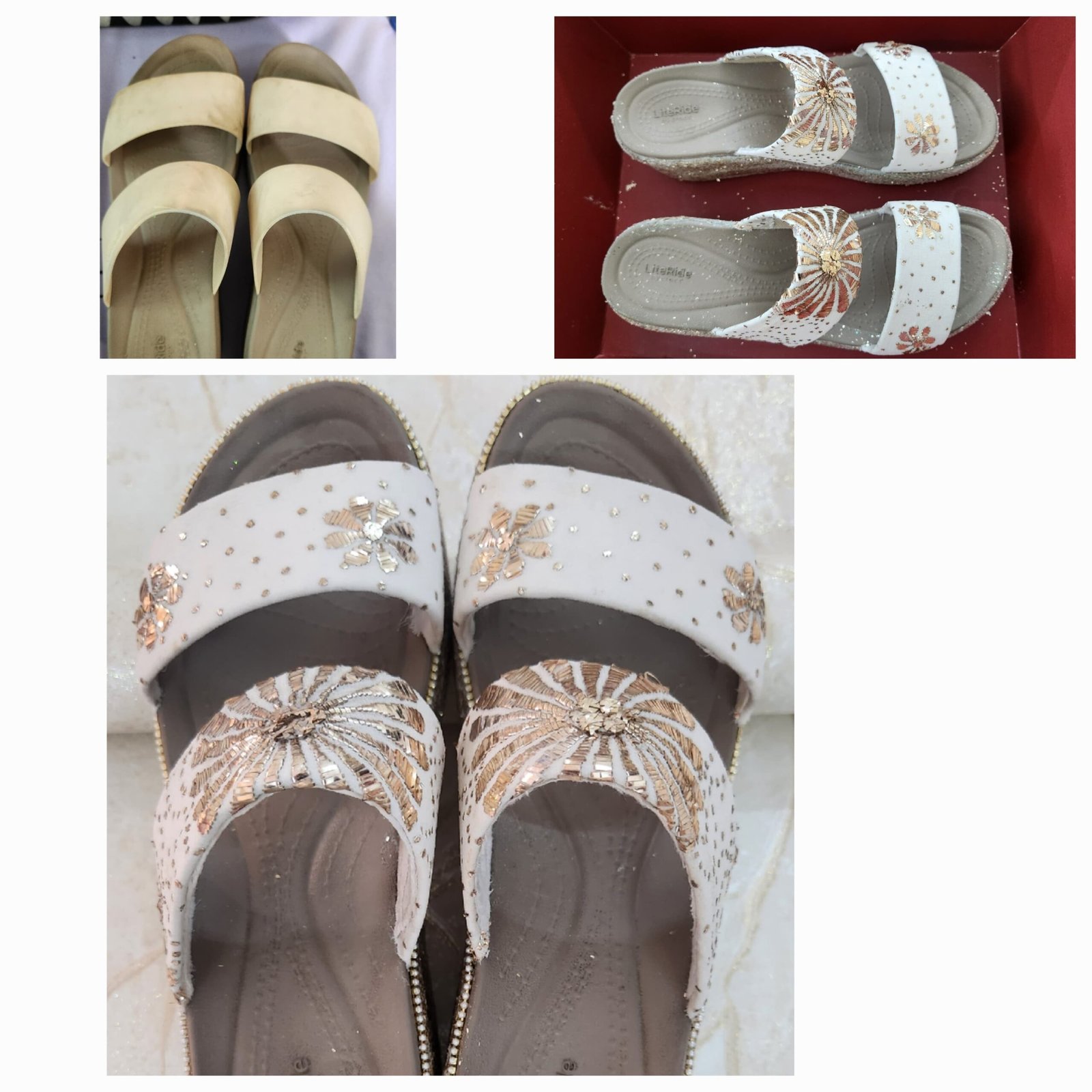
The Art and Science of Shoe Design: Where Function Meets Fashion
Shoe design is a unique blend of art, engineering, and consumer psychology. It’s a discipline that balances aesthetics with ergonomics, pushing boundaries in style while ensuring comfort and functionality. From the sleek contours of a high-performance running sneaker to the elegance of a stiletto heel, every shoe tells a story of careful design choices rooted in material science, biomechanics, and cultural influence.
A Brief History of Shoe Design
The history of shoe design dates back thousands of years. Ancient Egyptians used woven reeds, while the Greeks and Romans developed leather sandals tailored to specific social statuses and functions. During the Renaissance, shoes became a symbol of wealth and artistry, with intricate embroidery and elevated heels. The Industrial Revolution ushered in mass production, making shoes more accessible, while the 20th century introduced performance-driven design in response to evolving sports and lifestyle needs.
Key Elements of Shoe Design
Functionality
Every shoe is designed with a purpose—running, hiking, dancing, or casual wear. Designers must consider the biomechanics of movement, providing support where needed and reducing injury risk through proper arch support, cushioning, and sole flexibility.
Aesthetics
Style is often the first thing a consumer notices. Color palettes, textures, silhouettes, and visual branding elements (like logos or stitching) play a critical role in consumer appeal. Fashion trends heavily influence these choices, making shoe design a constantly evolving art form.
Material Selection
Modern shoe design incorporates a wide range of materials: leather, suede, mesh, synthetics, rubber, and now increasingly, sustainable alternatives like recycled plastics and plant-based leathers. The material affects not only the look and feel but also performance aspects like breathability, weight, and durability.
Fit and Comfort
Ergonomics is at the heart of good shoe design. Designers rely on foot models, 3D scanning, and feedback from wear testers to fine-tune the last—the mold on which the shoe is built—to ensure optimal fit and comfort.
Technology Integration
Today’s shoe design increasingly includes tech innovations: smart insoles, energy-return foams, and even adaptive lacing systems. These features enhance performance and personalize user experience.
Sustainable Design in Focus
Sustainability has become a crucial part of modern shoe design. Brands like Nike, Adidas, and Allbirds are investing in circular design principles—making shoes that are easier to disassemble, recycle, or biodegrade. This involves rethinking not just materials, but also manufacturing methods, packaging, and lifecycle impacts.
The Future of Shoe Design
As technology continues to evolve, so will shoe design. AI and data analytics allow for customized footwear based on individual gait and pressure points. 3D printing is reshaping prototyping and even final production, offering faster turnaround and reduced waste. Augmented reality is changing how consumers try on and shop for shoes.
But at its core, shoe design remains a deeply human endeavor—focused on meeting needs, expressing identity, and enabling movement.
Conclusion
Shoe design is far more than stitching fabric over a sole. It’s a multidisciplinary practice that combines creativity with technical skill, guided by the wearer’s needs and desires. Whether creating fashion-forward styles or functional athletic gear, shoe designers shape the way we walk through the world—literally and figuratively.